

For autistic adults in the UK
Life, at a pace that suits you
Practical, calm guidance on sensory life, work and study, and social energy. Written in plain language, with no rush and no pressure to be anyone else.
Being autistic is a different way of experiencing the world, not a broken version of the usual one.
Many of us notice more: sounds, light, textures and patterns. Many of us also find unwritten social rules, sudden changes and busy places tiring. This site gathers practical ideas that autistic adults often find useful, so you can choose what works for you and leave the rest.

Noticing your energy
Four levels, and what often helps
Some autistic people find it useful to check in with themselves a few times a day. There is no right answer, only information.
Full
A good moment for the task you have been putting off, a phone call or something new.
Steady
Keep to the plan. Build in one small break before you need it.
Low
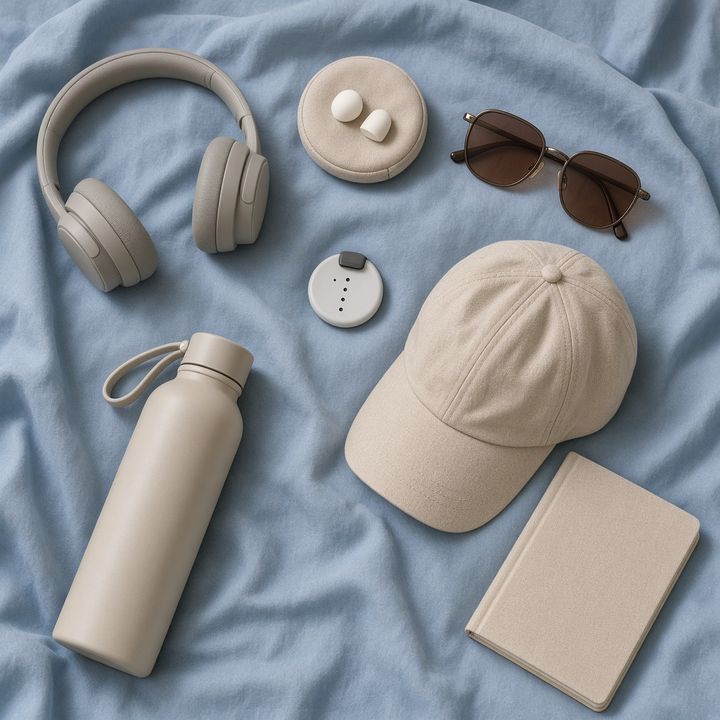
Drop what can wait. Reach for headphones, a familiar snack or a quieter room.
Empty
Rest is the task. Let trusted people know, in words or with a simple signal you agreed earlier.
Routine, without rigidity
A week you can see
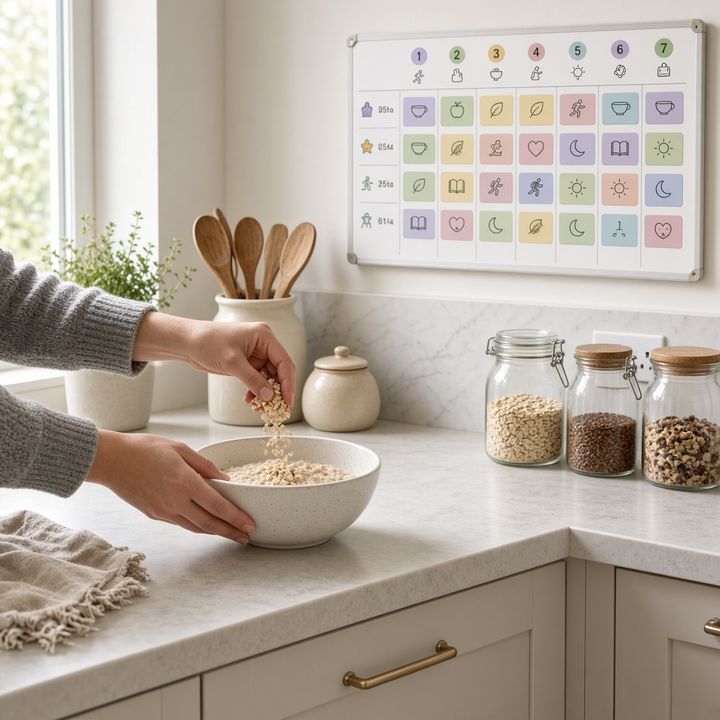
A visual plan on the wall or on your phone can turn a week from a fog into something you can hold. Colour-code the kinds of activity, mark the quiet times as clearly as the busy ones and leave gaps for the unexpected.
When something changes, adjust the plan rather than abandoning it. A routine is a tool you own, not a rule you owe.
Short phrases worth keeping
Saved in your phone, written on a card or simply practised, a few ready phrases can make hard moments easier.
- “I need a few minutes on my own. I'll be back.”
- “Could you send that to me in writing?”
- “I'm listening, even if I'm not looking at you.”
- “Can we meet somewhere quieter?”
- “What exactly do you need from me, and by when?”
- “I'd love to come for an hour, then head home.”
About the words we use
Identity-first. Many autistic adults in the UK prefer “autistic person” to “person with autism”, so that is what we write. Use whatever words feel right for you.
“Aspie”. Some people who were diagnosed with Asperger's syndrome call themselves Aspies with pride. Others feel the term divides the autistic community. Asperger's is no longer given as a separate diagnosis in current manuals, which now use the single term autism spectrum disorder. We use the name with respect for people who choose it.
Not a deficit. We talk about differences, needs and adjustments, not cures. Autism is not an illness.

Go at your own pace. Quiet is not the same as missing out.
Start with Sensory Life