
Guide three
Social Energy
Many autistic people enjoy company, and many find socialising tiring, both at once. Friendship can work well when it happens on terms that suit everyone involved.
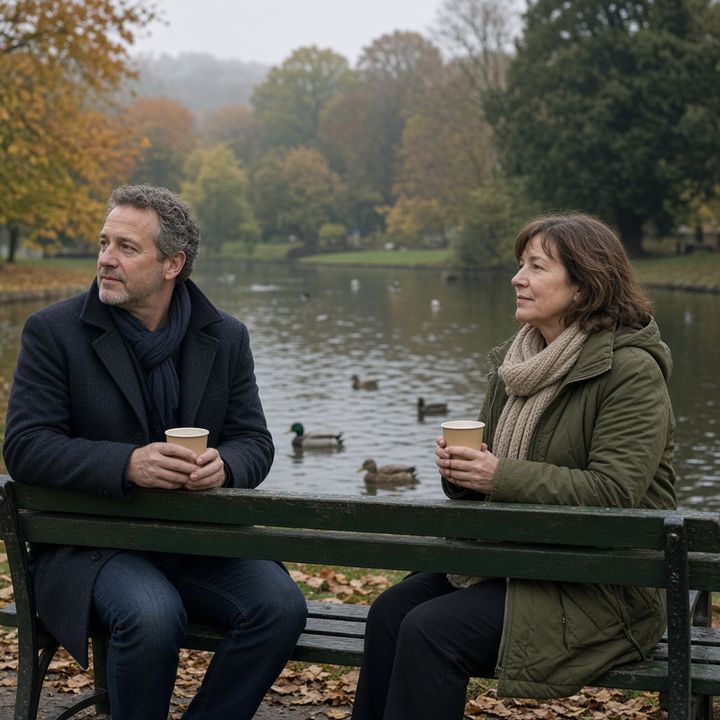
Different, not deficient
Research on the “double empathy problem” suggests that misunderstandings between autistic and non-autistic people run in both directions. Autistic people often communicate easily with one another. Difficulty fitting in is a mismatch, not a personal failing.
Masking
Many autistic adults learn to mask, copying expressions, rehearsing small talk and hiding stims to fit in. It can help in the moment, but doing it for long periods is widely reported to be exhausting. Spending time with people you do not have to mask around, including other autistic people, can be a real relief.
Friendship on your terms
- Shared activities: walking, games, clubs or volunteering give conversation a natural focus.
- Clear plans: a set time, place and finishing point make meetups easier to say yes to.
- Text is talking too: messages, voice notes and online communities are real connection.
- Quality over quantity: one or two good friends can matter far more than a crowd.
Useful scripts
| Situation | You could say |
|---|---|
| Leaving a gathering | “I’ve had a lovely time. I’m heading off now.” |
| Need a break | “I’m just stepping outside for some air.” |
| Unclear plan | “What time are we meeting, and roughly how long for?” |
| Small talk running dry | “What have you been into lately?” |
Recharging
Recovery time after social contact is not antisocial. Plan it in the same way you plan the event: a quiet evening, a special interest, a walk or simply time alone. People who care about you will understand when you explain it.