
Guide one
Sensory Life
Many autistic people experience sound, light, smell, touch and movement more intensely, or less intensely, than others. Neither is wrong. The aim is simply to spend less energy coping and more on living.
Know your own pattern
Sensory differences are personal. Some people seek out strong sensations, such as deep pressure, loud music or spicy food. Others avoid them. Many people do both, depending on the day. Keeping brief notes for a week or two can show you which places, times and sensations drain you and which ones help.
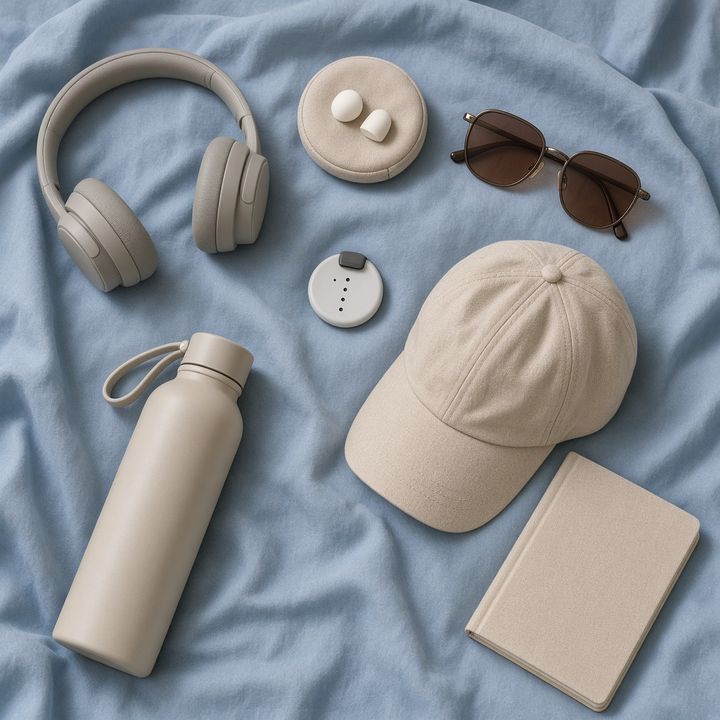
Building a calm kit
- Sound: noise-cancelling headphones, loop-style earplugs or simply your favourite playlist.
- Light: tinted glasses, a cap with a brim, or screen settings that warm the colours in the evening.
- Touch: soft layers, tag-free clothing and something pleasant to hold.
- Comfort: water, a familiar snack and a note on your phone with the phrases you find useful.
Shaping your space at home
| If this drains you | You might try |
|---|---|
| Bright overhead light | Lamps with warm bulbs, or dimmable smart bulbs |
| Humming appliances | Moving them, a rug to soften sound, or gentle background noise |
| Clutter in sight | Closed boxes and a single clear surface |
| Unexpected visitors | An agreed text before anyone calls round |
Busy places
Shops, stations and events can be a lot. Planning helps: go at quieter times, check the venue’s website for a map or photos, and decide in advance where you will go for a break. Many UK supermarkets and venues run quieter hours, and some attractions offer sensory maps or quiet rooms. It is always fine to leave early.
“Leaving early is a plan, not a failure.”
Overload and shutdown
When input builds up, some autistic people experience overload, a meltdown or a shutdown. These are not tantrums or choices. Afterwards, rest and recovery matter more than explanations. If it helps, agree with people you trust how they can support you, for example by giving you space, dimming the lights or handling conversation for you.
This guide shares general ideas. It is not medical advice. If sensory difficulties are affecting your health, a GP can talk through options, which may include a referral to an occupational therapist.